Negative Pressure Wound Therapy Dressing Selection: What the PVA-versus-PU Foam, Pore-Size and Closed-Incision-versus-Open-Wound Evidence Actually SupportsNavigating NPWT dressing selection requires separating material mechanics from clinical healing claims—evaluating open-pore PU black foam (400–600 µm) for high-exudate granulation against hydro-retentive PVA white foam for sensitive wound beds, respecting the 48–72 hour open-wound change boundary, and understanding the FDA regulatory divide between open-wound (OMP) and closed-incision (QFC) devices.
INSIGHTS
Research and practical buying guidance.
Browse practical buyer, technical, regulatory and evidence-led guidance across the VEMERIX knowledge library.
LATEST ARTICLES
Practical guidance from the VEMERIX team.
How to Specify a Negative Pressure Wound Therapy (NPWT) System: A Lot-by-Lot Tender, RFQ & Acceptance Checklist for Pumps, Dressings and Canisters (2026)A hospital procurement, health-system category management, or distributor team specifying negative pressure wound therapy (NPWT) should not issue a single bundled RFQ. Structure tenders into platform lots (acute heavy-duty, portable ambulatory, single-use/disposable, consumables, rental), map every pump performance and alarm requirement directly to documented FDA failure modes (leak, occlusion, canister overflow, power thermal cutoff), and demand a 6-part regulatory evidence pack (510(k), UDI, ISO 10993, IEC 60601-1, EO sterilization) before awarding volume.
Sterile Barrier Packaging and Shelf-Life Validation for Single-Use Medical Devices: An ISO 11607 and Accelerated-Aging Acceptance GuidePassing ISO 11607 requires more than a cleanroom pouch—it demands a validated forming and sealing process under Part 2, Arrhenius accelerated-aging calculations under ASTM F1980 confirmed by real-time stability, transport simulation under ASTM D4169, and lot-release seal strength and integrity criteria.
Unique Device Identification (UDI) for Private-Label and OEM Single-Use Medical Devices: A US (FDA), EU (MDR/EUDAMED) and China (NMPA) Decision MatrixDetermining who holds the UDI-DI, which issuing agency to use, and when database submission becomes mandatory under 21 CFR 830, EU MDR Article 27, and NMPA UDI Rules.
Ultrasound-Guided Puncture Kit Selection: A Technical Compatibility, Sterile-Barrier and Acceptance Guide for Probe Covers, Needle Guides and Sleeve KitsA decision-led technical guide for hospital clinical engineers, procurement managers and B2B distributors specifying single-use ultrasound puncture kits, probe covers and needle guides.
The Line That Decides the Class: How a Wound Dressing's Claim — Not Its Chemistry — Sets Its Regulatory Class in the US, EU and ChinaIn wound and skin care the label claim, not the material, sets the regulatory class — and because most of the category is 510(k)-exempt in the United States, the public clearance record systematically under-describes who actually supplies it. A primary-source read of 31 FDA product codes, EU MDR Rule 4 and NMPA's 2022 catalogue change.
The Single-Use Turn: Why Four Minimally-Invasive Device Lines Are All Migrating From the Durable Machine to the Registered Consumable — and What It Means for How You SourceAcross four unrelated device lines — vein ablation, wound therapy, circumcision, aesthetic injection — the same shift recurs: the durable machine commoditizes and value migrates to the registered single-use consumable. One pattern, three economic engines, and one sourcing conclusion: buy the platform, not the SKU.
The Consumable Economics of Aesthetic Injection & Skin-Boosting: What Every Tip, Needle, and Ampoule Actually Costs — and Why It's Becoming a Regulatory Choke Point (2026)What every tip, needle, and ampoule actually costs across mesotherapy, skin-boosters, and microneedling — and why certified single-use sourcing just became a cross-border compliance decision.
From Scalpel-and-Suture to a Single Click: The Disposable Circumcision Device ShiftHow single-use rings, circular staplers and disposable-suture kits turned a 20-minute scalpel-and-suture operation into a roughly 7-minute sutureless one — an Asia-led device shift the world adopted before the US FDA recorded it.
From the Pump Cart to the Pocket: The Disposable Shift in Negative-Pressure Wound TherapyHow wound care is repeating the move from a durable capital device to a registered single-use consumable — and why the recurring disposable kit, not the pump, is the strategic prize for device makers and distributors.

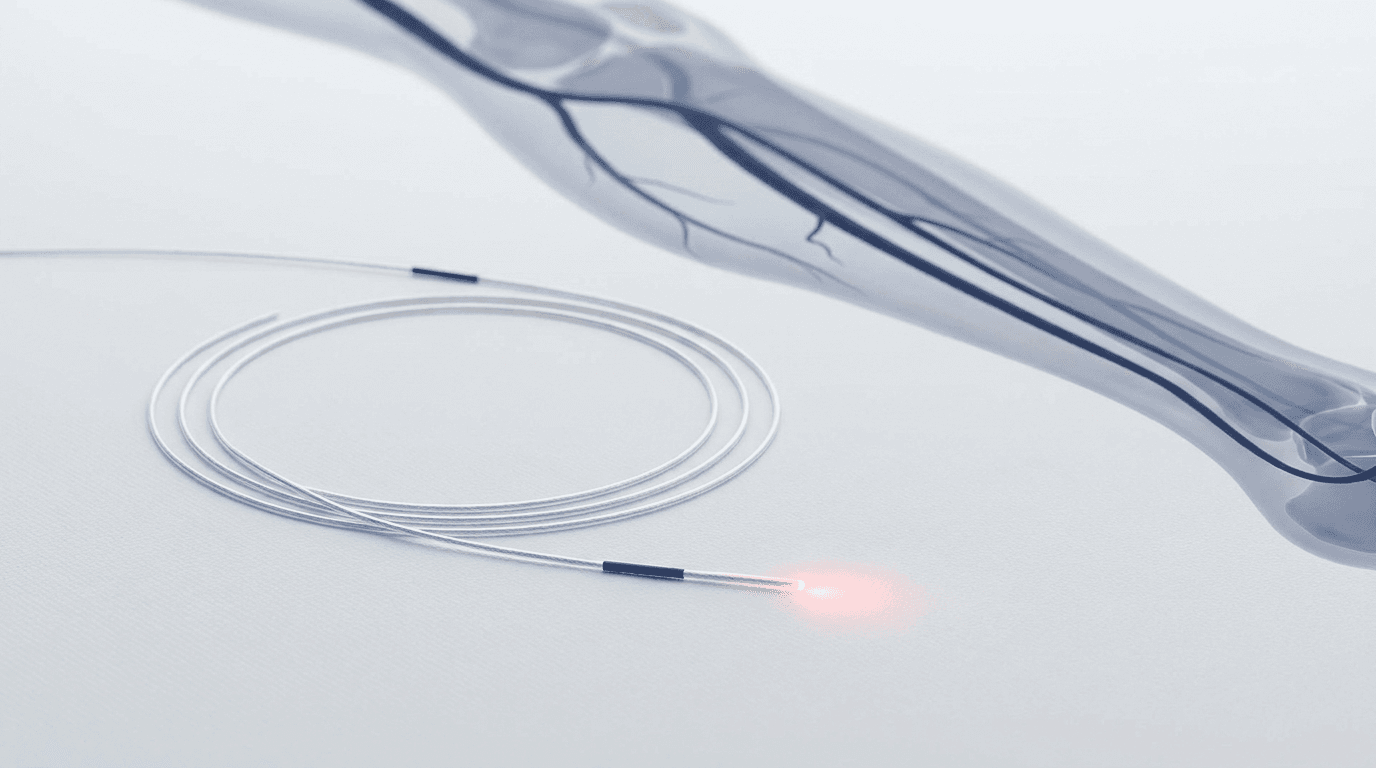
From Stripping to Light: The Global Shift to Endovenous Ablation for Varicose VeinsHow the standard of care moved from open vein stripping to minimally-invasive endovenous treatment — and why the recurring single-use consumable, not the laser console, is the strategic prize for device makers and distributors.