Medicare Wound-Care Coding: Separate Code, Coverage and PaymentAn October 2026 guide to wound-care purchasing that separates HCPCS identity, coverage conditions, payment settings and future competitive-bidding dates.
BUYER GUIDES
Practical guides for device decisions.
Selection, sourcing, RFQ, supplier-qualification and total-cost guidance for distributors, procurement teams and OEM partners.
Cannula or Needle for Filler Delivery: Sizing, Evidence and Supplier ChecksCompare dermal filler cannula and needle quotations by dimensions, pilot pairings, comparative safety evidence and regulatory files before approving manual delivery stock.
Disposable Trocar Selection: Sizes, Tip Designs and Evidence to DemandCompare disposable laparoscopic trocar quotations by dimensions, tip and optical features, seals, pack contents and the evidence supporting each offered configuration.
Animal-Derived Device Materials: A TSE Letter Is Not a Complete Sourcing FileTurn a supplier’s TSE/BSE statement into a traceable sourcing-file request, with clear differences between US, EU, Canadian and Chinese evidence checks.

YY/T 1872-2022: A Material-Specific Evidence Matrix for NPWT Sponge ProcurementUse YY/T 1872-2022 within its recommended-standard scope and distinguish PU, dry PVA and wet PVA evidence before agreeing NPWT sponge acceptance criteria.
Justifying DEHP in a Medical Device: The Buyer's Evidence CheckA buyer's method for auditing DEHP and other CMR/ED phthalate files: check the 0.1% w/w part-level denominator, the 10-step SCHEER justification, the 2029–2035 EU and California dates, and any 'DEHP-free' claim.
Buying a Cleared Device Business: Verify the 510(k) Ownership ChainA buyer's due-diligence method for US 510(k) deals: prove who holds the clearance today, reconcile four FDA and label records, and hand over listings, labels and GUDID records on time.

Medicare DMEPOS NPWT Payment Estimates in 2024–2025: the Evidence Buyers Still NeedKeep payment denominators and uncertainty intact, then verify exact-model coding and the proposed Medicare DME payment pathway.

Medicare Home NPWT Fees in October 2026: The ZIP-Code Check Behind an E2402 BenchmarkUnchanged fee cells can still produce a different benchmark when a ZIP changes rural status.
Can a VMMC Contract Still Require CircumQ for Ages 10 to 14?Read the 25 September 2024 Treasury addendum against the 7 May 2026 order: what it stops for ages 10 to 14, how ages 15 and above differ, and which printed end dates had passed by 1 October 2026.
Medicare 2026 Physician Fees for Endovenous Laser Ablation and Circumcision: What Is Work, What Is Practice Expense, and What CMS Prices for the KitWork is $172.68 in both settings on CPT 36478; the $733.49 gap between the $980.32 office amount and the $246.83 facility physician amount is practice expense.
Does This Circumcision Device Hold WHO Prequalification?A procurement check for distributors and tender officers who need to know whether a circumcision-device quotation matches the WHO list, the public assessment report, and the 25 September 2026 framework move.
Can a Single-Use Laser Fiber Be Reused?What to accept or send back when a clinic asks to resterilize a labeled single-use 1470 nm fiber, offers a reusable-fiber IFU, or treats a silent GEX title as clearance.
Which Pressure Range Belongs in an NPWT Pump Tender?How to read CMS A52511's 40–80 mm Hg E2402 capability window against clinical defaults and a factory −50 to −450 mmHg envelope.

Medical Consumables Tender Evidence: WHO and UNICEF (2026)Check specification age, configuration-level evidence and delivery conditions before approving a medical-consumables offer.
How China Will Score Factory Inspections From 1 November 2026NMPA published Notice 14 on 15 September 2026; its 200 graded items apply from 1 November 2026. Until then, CFDA 2015 No. 218 remains the on-site inspection file.
Which Laser-Safety File Belongs With a 1470 nm Fiber ShipmentAn incoming-inspection and supplier-qualification guide for international medical-device distributors, hospital clinical-engineering leads, and OEM buyers evaluating Chinese 1470 nm endovenous laser fiber shipments, partner-supplied generators, IEC 60601-2-22 editions, Laser Notice 56, and GB 9706.222 on 17 September 2026.
When a GB 9706.1 CoA Is Not IEC 60601-1 Edition 3.2An incoming-inspection and supplier-qualification guide for international medical-device distributors, hospital procurement teams, and OEM buyers evaluating Chinese electrical-safety certificates, GB 9706.1-2020 transition rules, and FDA or EU regulatory overlays on 16 September 2026.
When a Chinese EO CoA Is Not an ISO 11135 Cycle FileAn incoming-inspection and supplier-qualification guide for international medical-device distributors, hospital procurement teams, and OEM buyers evaluating Chinese ethylene oxide sterilization certificates, GB 18279 edition shifts, and FDA or EU cycle-file overlays in September 2026.
When NPWT Dressing Kits Are Not Interchangeable Across PumpsWhy FDA 510(k) indications for use, CMS integrated-system billing rules and product code OMP dictate companion-pump matching rather than catalog-universal claims.
When a Sample Lot Is Not the Commercial Lot: Why an ISO 11135:2014 Cycle File and FDA Rec 14-529 Do Not Adopt a New Size, Blister or Load, Why AAMI TIR28 Rec 14-603 Is the Product-Adoption Overlay, Why Annex E Single-Batch Release Is Not Adoption, and Why ISO/FDIS 11135 Is Not the Cycle FileAn incoming-inspection and supplier-qualification guide for international medical-device distributors, hospital buyers, and OEM engineers navigating ethylene-oxide cycle certificates, product adoption, single-batch release, and commercial pallet density across the US FDA, ISO, and AAMI frameworks in September 2026.
When a Tender Demands 75 Percent or 80 Percent Remaining Shelf Life on a Sterile Device: Why FDA April 1991 and EU MDR GSPR 11.4 Do Not Set a Remaining-Percentage Statute, Why UNICEF October 2023 Uses Two Thirds and a Five-Year Floor, Why WHO TRS 1044 Annex 8 Is a Months Table After Risk Assessment, and Why ISO 11607 Is Not the Dock ClockAn operational procurement and regulatory guide for international medical-device distributors, hospital buyers, and OEM sellers navigating remaining-shelf-life tender clauses, incoming-inspection dock tests, and labelled expiration dates across the US, EU, UNICEF, and WHO frameworks in September 2026.
How to Qualify a Chinese Medical-Device Factory After NMPA Announcement 107: Why ISO 13485, MDSAP and a 2014 GMP Certificate Are Not the 1 November 2026 File, What Articles 2–3, 17–21, 32, 91, 104 and 107–113 Require, and Why a Production License or NMPA Registration Is Not China GMPAn operational factory-qualification and supplier-audit guide for international distributors, private-label/OEM buyers and hospital procurement teams evaluating Chinese sterile medical-device manufacturers under NMPA Announcement No. 107 of 2025, the 132-article Good Manufacturing Practice effective 1 November 2026, and the simultaneous repeal of CFDA Announcement No. 64 of 2014.
Disposable Circumcision Device Manufacturers (2026): An Evidence-Verified Global Supplier Landscape for DistributorsA register-first supplier map that separates brands, legal manufacturers, sterilizers, listing establishments, certificate holders and distributors before an RFQ is issued.

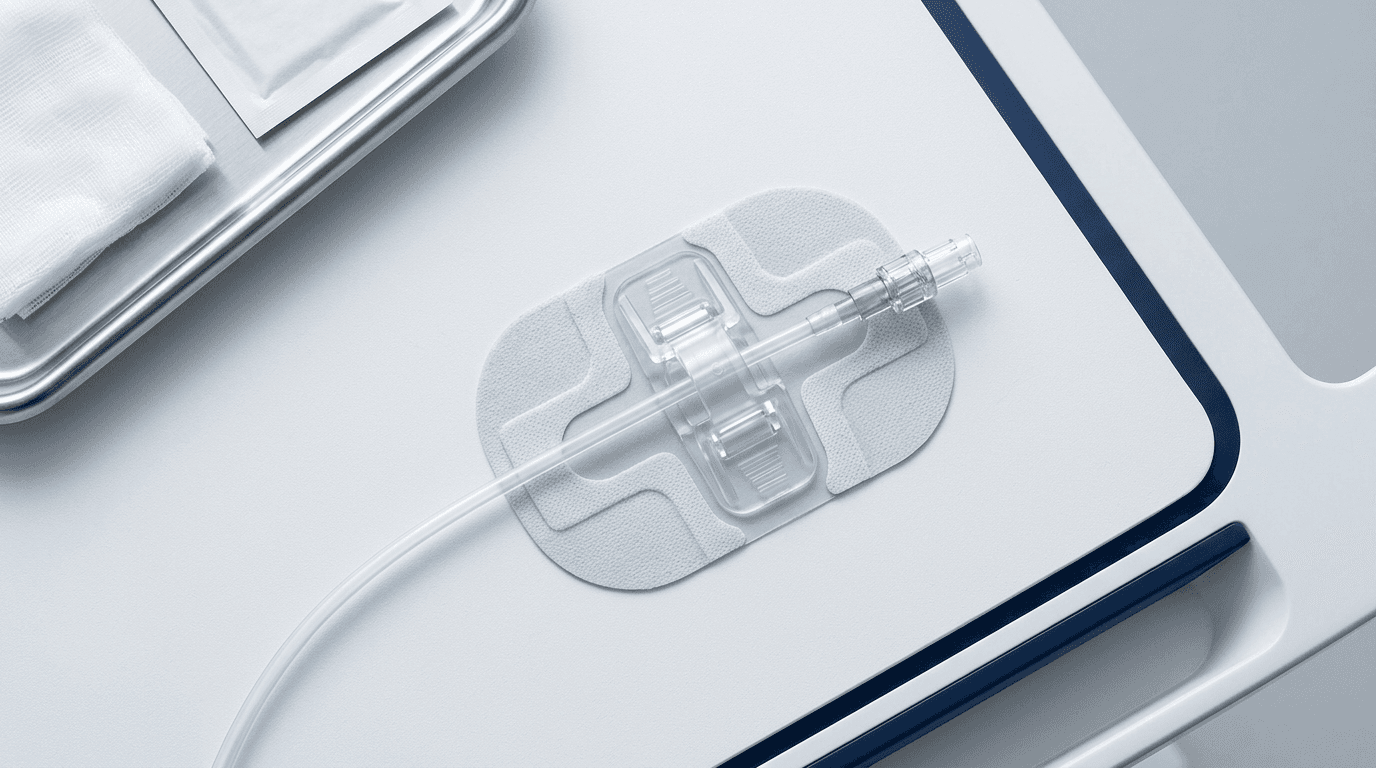
What the FDA MAUDE and Recall Record Reveals About Catheter and Tube Securement Device Failures: A Post-Market Evidence Map for Securement Procurement and Supplier Screening (2015–2026)An original FDA post-market surveillance analysis of 1,125 MAUDE medical device reports, a 20-action recall record, and the 510(k)-exempt Class I regulatory baseline (21 CFR 880.5210, product codes KMK, CBH, OKC) translated into tender specifications, acceptance testing, and supplier-screening criteria for vascular-access and catheter-fixation procurement.

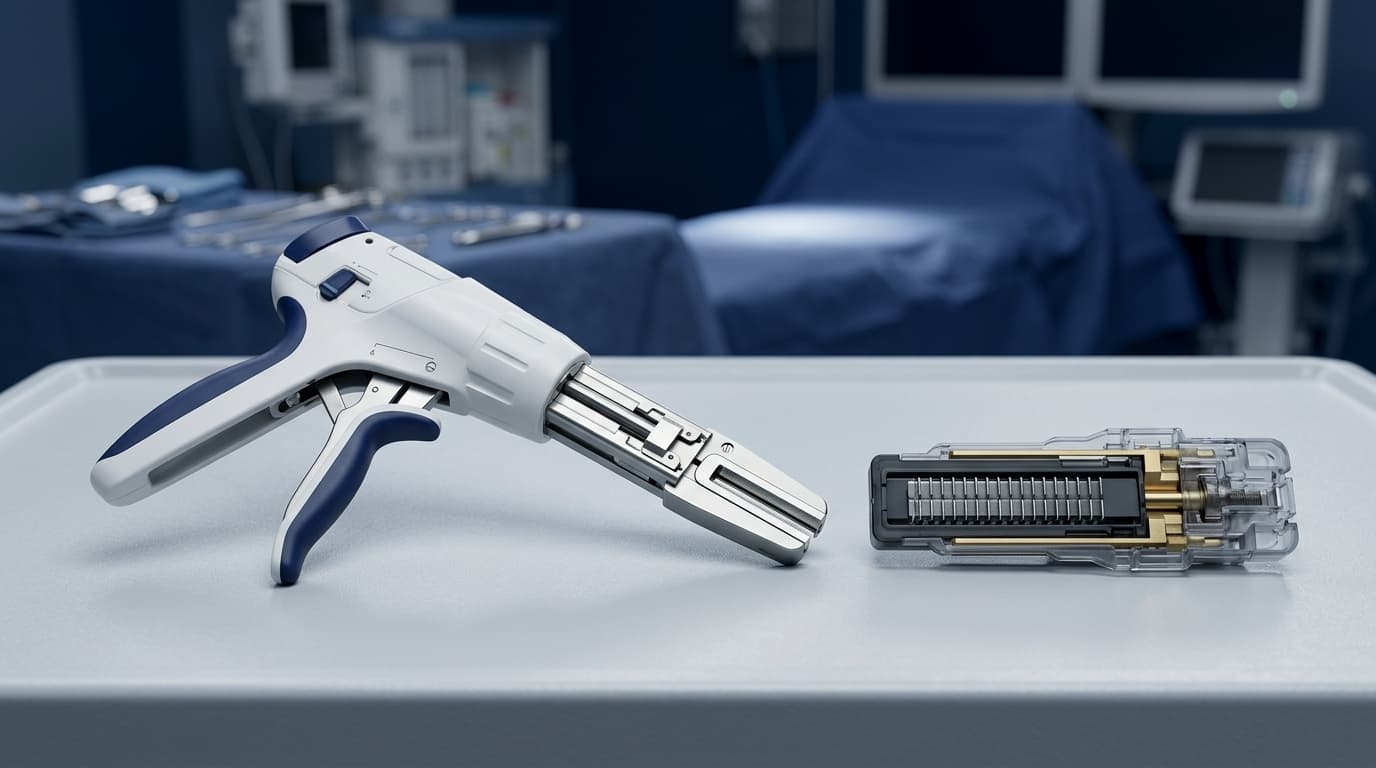
What the FDA MAUDE and Recall Record Reveals About Surgical Stapler Failures: A Post-Market Evidence Map for Surgical Stapler Procurement and Supplier Screening (2015–2026)An original FDA post-market surveillance analysis of 3,645 MAUDE medical device reports, Class I/II recalls, and the 2021 Class II reclassification order (21 CFR 878.4740, product code GAG) translated into tender specifications, acceptance testing, and supplier-screening criteria for disposable surgical and circumcision stapler procurement.
What the FDA MAUDE and Recall Record Reveals About Topical Tissue Adhesive Failures: A Post-Market Evidence Map for Procurement and Supplier-Qualification BuyersAn empirical analysis of 1,155 FDA MAUDE device records, 2 recalls, and 36 510(k) clearances for product code MPN, mapping surveillance failure modes to 21 CFR 878.4010 regulatory special controls, Cochrane dehiscence evidence, and buyer tender specifications.
What the FDA MAUDE and Recall Record Reveals About Circumcision Device Failures: A Post-Market Evidence Map for Circumcision Procurement and Supplier Screening (2015–2026)An original FDA surveillance analysis of 31 circumcision device 510(k) clearances, 34 recalls, and 942 MAUDE adverse-event reports (all-time; 592 in the 2015–2026 window) translated into tender acceptance criteria and supplier-vigilance questions for disposable circumcision stapler, ring, and clamp devices.
What the FDA MAUDE and Recall Record Reveals About Endovenous Laser Fiber Failures: A Post-Market Evidence Map for Vascular Procurement and Supplier ScreeningAn original FDA surveillance analysis of 186 laser fiber clearances, 68 recalls, and 114 MAUDE adverse-event reports (2023–2026) translated into vascular incoming-acceptance criteria and supplier-qualification tests.

Why Sterile Medical Devices Get Recalled: A 2015–2026 FDA Evidence Map and Supplier-Control PlaybookAn FDA evidence map of 5,543 product records and 998 recall episodes shows where sterile-device failures start—and which supplier controls buyers should demand.